Community is not a slogan. It turns up when a next-door neighbor understands which ramp operates at the library, when a bus chauffeur waits the additional 30 secs for a securement to click, when a teacher obtains training that turns disappointment right into development. Behind those average moments rests an ecosystem of planning, campaigning for, persistent patience, and functional solution. In the majority of cities and towns, that work is worked with or militarized by a Disability Services and Support Organization, occasionally tiny and volunteer-led, often networked throughout an area. The scale changes, however the function remains remarkably constant: take an area that feels like it is fraying, and sew it with each other so even more individuals can really use it.
I have functioned along with these organizations as a program lead, a member of the family, and sometimes simply a ride-along throughout home visits. The work hardly ever looks brave. It looks like organizing, documents, telephone call, wheel measurements, and the details understanding to navigate policies that were not developed by or for the people they impact. When it operates well, a great deal of civic life all of a sudden becomes possible.
What "assistance" truly looks like
The word assistance sounds soft, almost obscure. In this context it indicates concrete services that change the standard of what is feasible for a person and their family. A normal day inside a Disability Services and Support Organization may include three home evaluations for autumn dangers, a set of task mentoring sessions, 2 property manager phones call to fix access problems, a Medicaid waiver application, and a night peer group that meets in a church basement due to the fact that the facility room is booked. None of that is attractive. All of it constructs capacity.
The finest companies understand where their leverage exists. Not every team requires to run a transport fleet, for instance. Some companion with a dial‑a‑ride service, then focus on obtaining traveling training right so cyclists can safely utilize it. Not every organization must launch a social enterprise cafe. Occasionally the best step is to assist five neighborhood organizations make little accommodations that open up 10 jobs.
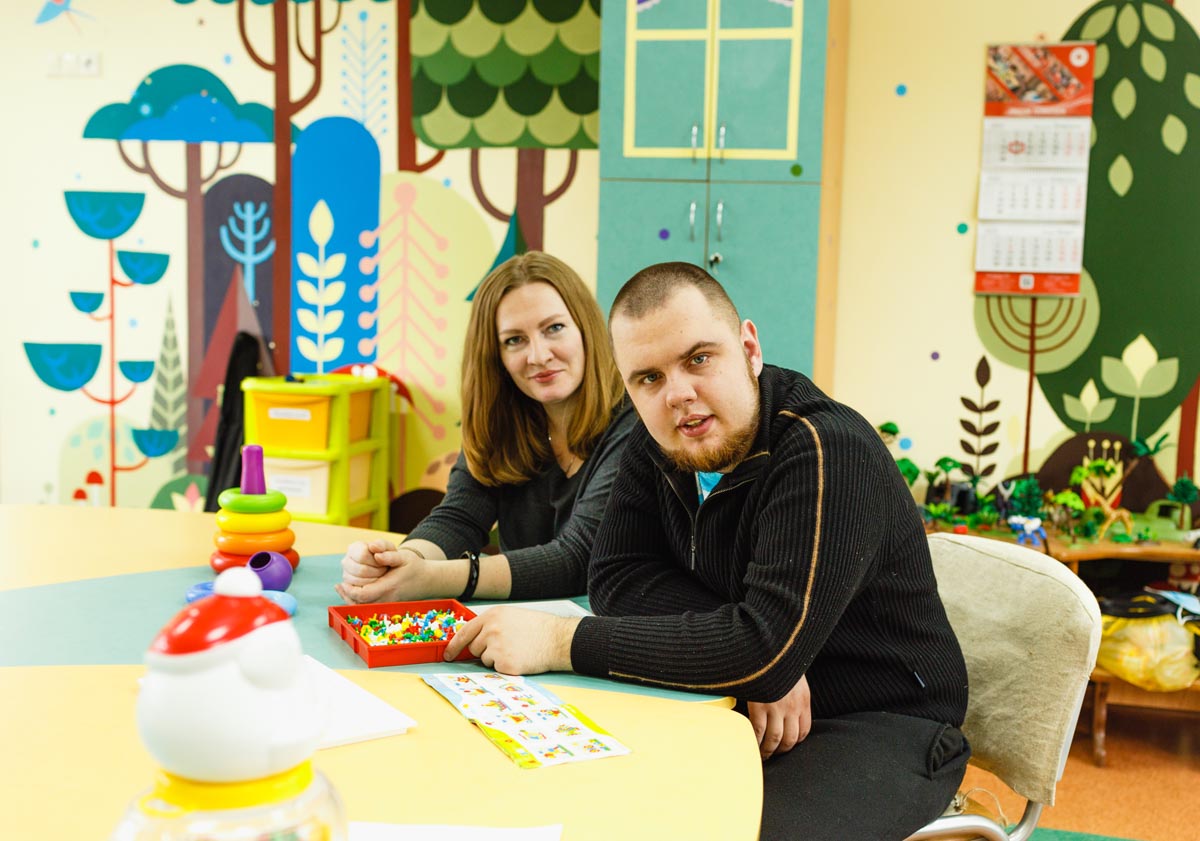
The common denominator is responsiveness to what individuals require now, not what looks great on a grant proposition. The mix modifications throughout communities and cultures. One postal code could be overwhelmed by autism medical diagnosis hold-ups. Another could require housing navigation since available systems sit vacant due to misaligned paperwork. A reliable company maps those bottlenecks and pursues them, item by piece.
The makeup of access
Access is a split problem. It is not just regarding curb cuts and ramps, though those are vital. The deeper job happens throughout 4 overlapping layers: personal capability, ecological fit, social mindsets, and policy infrastructure.
Personal capability entails abilities, tools, and health support. Think interaction gadgets, home modifications, movement devices, and training for day-to-day living. Environmental fit covers the developed atmosphere and the digital one. A site that stops working a display visitor is as exclusionary as a stairs to a clinic door. Social perspectives determine whether adjustments are accepted or frowned at. Plans develop the rules of the video game, including funding streams and legal protections.
A strong Disability Services and Support Organization learns to entwine those layers. A little story: one springtime, our group helped a young man vacate a nursing facility into a ground‑floor house. He had the right to leave, he had a real estate voucher, and he had large determination. What he did not have was a safe bathroom. The proprietor bothered with floor tile damage. A home manager training session unlocked to a momentary equipment mount. The very same week, a Medicaid waiver addendum authorized a portable shower chair. A volunteer carpenter built a limit ramp. A peer coach trained the young man on exactly how to route his home treatment team. Nothing about this is showy, yet the outcome is flexibility, and flexibility ranges when the process ends up being repeatable.
The invisible labor of navigation
If you intend to comprehend the backbone allegory, see an intake employee on the phone. They are translators of systems. They know which center takes which insurance on what day, which bus path will certainly stutter after 6 p.m., which vocational rehab therapist chooses email to phone calls, and just how to rise a denial without shedding bridges. They additionally recognize when to claim, let me rest with you at that appointment, since often appearing changes the tone of a room.
Much of the influence of a Disability Services and Support Organization comes from this navigation layer. Governments write plans to show up regular, however family members reside in exceptions. A diagnosis does not nicely match a program classification. A type wants a signature from a person who can not hold a pen. A company claims they can not change a shift because the organizing software will certainly not permit it. A person has to recognize the workarounds that are legal, practical, and respectful. That someone is normally on staff at a local company, and their phone never stops ringing.
Economic worth, not simply moral value
The moral situation for addition is apparent to the majority of people once they have a personal link, however the economic argument additionally deserves airtime. When accessibility improves, manpower participation inches up. Caretakers restore hours for paid work. Health center readmissions drop when home environments are more secure. A ramp, a flexible key-board, a regular personal treatment routine, or a trusted adventure to dialysis, each is small on its own, but collectively these investments decrease pricey crises.
I have seen emergency clinic gos to decline by a third when one country region bought preventative home modifications. The price per home balanced under a thousand bucks. That very same area made use of to spending plan 10s of thousands for nonemergency clinical transportation for duplicated drops that can have been prevented with a grab bar and far better lighting. Numbers vary by area, yet the pattern holds: tiny accessibility investments avoid expensive emergency situations. A Disability Services and Support Organization is often the only entity placed to orchestrate those tiny repairs at scale.
The social material effect
There is a community impact that does disappoint up in spread sheets. When people with impairments relocate through public life, everyone else comes to be even more attuned to design and timing. A cafe owner finds out how to reorganize a small space to welcome a power chair without obstructing website traffic. A park planner schedules sensory‑friendly hours and discovers that households with kids stay much longer, spend a bit extra at the snack bar, and leave less complaints. A cinema captions an efficiency and sells more tickets than anticipated due to the fact that post‑surgery site visitors and older customers value it as well. The universal layout returns is real, and neighborhood companies are the brokers who make it happen.
I keep in mind a middle school band show that introduced a peaceful area with adjustable lights throughout spring performances. The concept came from a parent group tied to a local impairment nonprofit. The area needed one staff volunteer, a bin of noise‑reducing headphones, and a $40 dimmer button. Attendance rose by approximately 15 percent that year. The music did not change. The setting did.
What good resemble on the ground
You can tell when a Disability Services and Support Organization has its act with each other. Front workdesk personnel reward walk‑ins like neighbors, not disruptions. Intake is extensive however not punishing. Providers are described in plain language, with interpreters and alternate formats readily available. The company has more partnerships than programs, which is an additional means of claiming they know what to do in‑house and what to hand off. Information are tracked, not to feed a record for its very own benefit, but to answer inquiries that matter: Are we assisting people locate secure housing? Did the job stick past 90 days? Are moms and dads and caregivers resting much more since break hours match real schedules?
There is also a humility to strong companies. They understand when to edit solutions that appeared appealing theoretically yet did stagnate the needle. They hold paying attention sessions that include individuals who are not currently insiders. They do not chase after patterns that do not match neighborhood need. They pilot, step, and adjust.
Trade offs and edge cases
The job is full of trade‑offs. Waiting lists are the most obvious. Resources are limited, and need is constant. Do you focus on instant dilemmas or invest in preventative job? Both issue, and selections seldom feel rewarding. An organization that only combats fires builds reliance. One that only funds long‑term prevention leaves individuals in danger. The equilibrium changes week to week, occasionally hour to hour.
Another trade‑off includes expertise versus assimilation. Highly specialized staff can supply outstanding solutions, yet siloed groups forget to collaborate throughout the person's life. I have watched a work train schedule meetings throughout hours that encountered a person's home treatment routine, creating preventable failures. The fix is not made complex: cross‑team schedules, shared preparation devices, and a society that awards coordination. It takes intent to construct, and it can wear down quickly when turnover hits.
There are also edge situations that strain guidelines. A person loses housing since an elevator is out for weeks. A trainee's device obtains lost during an institution transfer and no one claims responsibility for substitute. A moms and dad that communicates ideal via gestures gets misread as noncompliant by a service provider. These are not hypotheticals. They arrive on desks each month. Solving them requires judgment, a readiness to bend guidelines where lawful, and the backbone to press back when systems hide behind plan as opposed to people.
How organizations maintain their doors open
Funding is a problem Disability services and support organization Willamina with several pieces: government contracts, fee‑for‑service invoicing, philanthropy, company sponsorships, unique occasions, and often social enterprises. Each resource has strings and coverage requirements. The organizations that remain healthy and balanced expand their income enough to weather a poor grant cycle, however not so generally that objective drifts. They budget for unglamorous needs like car maintenance and software licenses. They reserve time for grant reporting, information health, and audits.
Staffing is similarly crucial. Pay scales hardly ever match the complexity of the work, which magnifies turnover. The organizations that keep talent treat supervision as a craft. They buy training on trauma‑informed treatment, cultural proficiency, and the technicians of advantages systems. They construct ladders for advancement. They supply reflective rooms so personnel can process hard days and return the following early morning with a bit much more viewpoint. When an organization tells you their typical personnel tenure, you can frequently anticipate their program quality.
Partnerships that raise the whole system
No solitary company can cover the beachfront. The strongest Disability Services and Support Organization in any kind of area is the one that plays well with others. Healthcare facilities call them when a discharge plan requires to work in a walk‑up structure. Schools lean on them for transition planning that starts before senior year. Employers ask them https://pingdirapp41.directoryup.com/mcminnville/top-level-category/essential-services to vet lodgings and train supervisors. Transit agencies consult them on path modifications that would otherwise cut off accessibility to dialysis centers or day programs.
Sometimes one of the most effective collaboration is a straightforward memorandum of understanding that rates references. In some cases it is a quarterly morning meal where the right managers contrast notes and protect against train wrecks. One city I worked with produced a common data field between the real estate authority and a handicap nonprofit to flag ease of access requires early in the application process. The modification was measured in keystrokes, yet it moved people right into appropriate units weeks faster.
How it feels from the household side
Families do not awaken intending to discover benefits qualification guidelines. They learn them due to the fact that they are forced to. A good company recognizes this and satisfies individuals where they are. Consumption meetings take place at cooking area tables or on video, not simply during office hours behind a desk. Team discuss the order of operations: first we secure your ID, then we submit the waiver application, then we schedule the evaluation. They inform you which actions usually stall and what to do concerning it. They return telephone calls even when there is no brand-new upgrade, just to validate you have actually not been neglected. That last piece issues greater than many agencies admit.
There is additionally the silent relief when somebody finally states, you do not require to maintain retelling your entire tale. We captured it, with your consent, and we will carry it to the next provider so you do not have to. That is dignity, and it originates from well‑built systems as long as from kindness.
The electronic front door
An unexpected quantity of development still hinges on web site access and simple digital operations. I have actually seen companies double attendance at centers by repairing a damaged registration type that screen viewers might not analyze. A smartphone‑friendly consumption kind in simple language saves team hours and saves households from repeating standard details.
Small methods make a big distinction:
- Provide message tips that consist of bus route options and a call‑back number addressed by a human during service hours. Offer option styles for all forms, including big print and easy‑read versions with icons. Keep a public, present checklist of services with wait times and qualification notes in plain English. Maintain a single email address for recommendations that routes to a monitored queue. Train one employee to audit electronic access every three months and fix concerns within a week.
Those 5 lines look ordinary. They prevent real harm: missed out on visits, shed paperwork, families ghosted by crash. Digital basics are the new visual cuts.
Measuring what matters
Metrics can develop into busywork, yet they are still our best device for learning. Counting results is not enough. Track the end results that hold a story: how many people retained jobs for 6 months, the number of stayed clear of eviction, how many decreased emergency room check outs after a home adjustment, the amount of trainees got functional communication at college and in your home. Share the misses out on. When a program does not deliver, call it. Funders value sincerity greater than padded numbers, and areas are worthy of it.
Qualitative responses issues, too. Brief leave interviews, three questions max, with area for specifics. One of the very best program pivots I have actually seen arised from an easy finding: participants made use of words bewildered in 40 percent of remarks about the job readiness course. The fix was not a lot more material. It was shorter sessions, better pacing, and a peer advisor in the space. Attendance stabilized, then grew.
The foundation in crisis
You see the foundation most clearly in emergency situations. When a storm knocks out power for a week, companies with lineups and interaction trees understand who depends on power for medical devices and that requires a generator delivered. They map pharmacy closures and coordinate prescription transfers. Throughout the early months of COVID, disability organizations pivoted to remote assistances virtually overnight. They ran wellness checks, converted altering rules, sourced PPE for home treatment workers, and pin down replacement routines for day programs that needed to shut. I still bear in mind a staffer driving in between 3 regions with bags of shelf‑stable grocery stores and a trunk of borrowed tablet computers for telehealth sessions, since the mail can not maintain pace.
Crisis reveals the quality of readiness. The teams that had area collaborations, upgraded call listings, and cross‑trained staff moved much faster and steadier. The lesson sticks: durability is built in peacetime.
What areas can do next
If you want a stronger area, buy the regional Disability Services and Support Organization the way you would certainly invest in roadways, parks, and libraries. It is framework for engagement. That financial investment can be dollars, yes, but it can also be practices: design conferences that consist of disabled individuals from the start, not after the paint dries out; call the company before a building and construction project reroutes sidewalks; invite personnel to company roundtables and work fairs; include access concerns to every public study; ask transportation companies to run modifications past the riders who will certainly feel them most.
If you run a firm, alloted budget for holiday accommodations and train supervisors on how to speak about them confidently. If you educate, develop numerous ways to show discovering. If you code, repair your kinds and alt message before including new attributes. If you are a next-door neighbor, learn the curb ramp that puddles and the crosswalk timing that is also tight, then inform the city and maintain complying with up till it changes.
The quiet power of persistence
The most remarkable skill I have actually learned from experienced team holds your horses perseverance. Systems are slow-moving. People are not problems to be fixed, they are partners with goals. Progression often looks like a stack of types and 3 calls a week for six months, ending with a 15‑minute consultation that transforms a person's year. The staff who get results maintain appearing, keep notes, keep connections cozy, and know when to press and when to wait.
There is a humility to this job, and a grounded satisfaction. When a bus line expands a path by two blocks due to the fact that sufficient voices asked, when a property owner discovers to anticipate a letter that discusses a lodging demand clearly and legally, when an individual rolls right into their very first day of deal with an adjustable desk and a boss who currently comprehends just how to use the strategy, the victory belongs to the person living that life. The company does not require the limelight. It requires the phone to maintain buzzing and the doors to stay open.
A prospering community is not defined by the standard. It is determined by how well the edges hold. A Disability Services and Support Organization is the carpenter of those sides, planing harsh boards, loading the spaces, and ensuring the structure can birth weight. If we want to live in areas where belonging is not a favor but a default, we should treat these companies as important facilities. Support them, listen to them, suggest with them when required, and develop with them. Then watch the normal wonders accumulate.
Business Name: Essential Services Business Address: 536 NE Baker St, McMinnville, OR 97128, United States Business Website: https://esoregon.com/ Business Phone: +15038570074 About Business: Essential Services, established in 2018, is dedicated to providing exceptional intellectual and developmental disability services and support to individuals seeking empowerment and independence. Located conveniently at 536 NE Baker St in McMinnville, Oregon, we strive to create a welcoming and inclusive environment where individuals with disabilities can reach their fullest potential and live fulfilling lives.