If you spend time in a team home, supported apartment or condo, or day program, you'll see the exact same dancing play out virtually daily. A Direct Support Professional steps into the living room, scans the area, reads the mood, and starts mixing a lots work into one. They might prompt someone with a blood glucose check while prepping a grocery checklist, then train a roommate arbitration prior to the morning van arrives. None of this ends up in a glossy sales brochure, yet it's the foundation of Disability Support Services. The title appears basic. The job is anything but.
I've been around DSPs for several years: hiring, training, shadowing shifts, sitting in living spaces at 2 a.m. after a seizure, discussing treatment strategies with family members, and pushing for fair earnings with administrators. The void in between what people believe DSPs do and what the role really requires is wide. Let's close it.
The misconception of "babysitting"
The most frustrating misunderstanding is the concept that DSPs are sitters for grownups. Adults with disabilities are grownups. They have choices, relationships, expenses, voting rights, poor days, inside jokes, and long backgrounds. Babysitting suggests watching, not partnering. A good DSP is not a hall display. They're a support to assist a person live the life they choose.
Watch the distinction in a little moment like making morning meal. A sitter would certainly plate the meal and set it down. A DSP stands by the cooktop and asks: Do you intend to split the eggs or gauge the milk? After that they wait through the extra minutes that self-reliance needs, action in just to ensure safety and security, and log any hints that made the task simpler than recently. That's training, not caretaking. It secures dignity and constructs skill.
Underlying this is a core principle in Disability Support Services: self-respect of risk. Individuals expand by trying points, doing well, falling short, and trying once again. When relative or brand-new staff ask why we "allow" a person take the city bus after a missed stop last month, my response is always the very same. We weigh dangers, placed functional safeguards in place, and after that honor a person's right to chart their day.
What medical support really looks like
Another myth states DSPs supply "basic treatment," as if the function stops at cooking and cleaning. The medical side of the job is actual and high-stakes. Depending on the setting, a DSP may be trained to support:
- Medication administration, consisting of time-sensitive meds and procedures for PRNs with particular parameters. Diabetes care, from carbohydrate counting to recognizing early indicators of hypoglycemia. Seizure feedback, consisting of postictal tracking and documentation that feeds right into neurology appointments.
In one house I went to, a DSP named Tasha saw that a resident's stride had actually shifted. Absolutely nothing remarkable, simply a much shorter stride and a few missed out on toe lifts over the early morning. She documented it, knotted in the registered nurse, and kept a more detailed eye during lunch. By going to bed, the pattern was clearer and the on-call medical professional suggested urgent care. That visit captured the very early indications of a drug side effect. Without the DSP's monitoring, we could have wound up with an autumn and a hospital admission.
Clinical work doesn't always mean emergencies. Much of it is slow-moving, careful pattern recognition. DSPs are typically the first to find adjustments since they invest the most time with people, not since they hold advanced degrees. They track digestive tract regimens, rest quality, hunger changes, and mood arcs. A week of notes can tell a story that a 20-minute doctor's see can't.
Paperwork that in fact drives care
Yes, there's paperwork. There are everyday logs, occurrence reports, medication counts, gas mileage sheets, neighborhood trip notes, and progress recaps linked to solution plans. The misconception is that this documents is busywork. In the hands of a thoughtful DSP, it becomes a clinical record, a lawful defense, and a communication bridge.
When I train brand-new team, I inform them to envision their documentation as a time pill. If a complete stranger had to grab a change tomorrow, would your notes let them support he or she well? An entry that reads "excellent day" aids nobody. An access that reviews "needed hand-over-hand at the sink till water warmed up, after that completed 80 percent separately; establish the timer to improve toleration of toothbrushing to 90 seconds" moves skill-building ahead. Households and clinicians take these notes seriously because they catch the texture of life, not just the big events.
Not simply one-on-one: the art of team dynamics
DSPs seldom support just a single person each time. In a three-bedroom home, you could have 3 adults with different objectives, sensitivities, and regimens. One likes silence in the early morning. An additional needs upbeat songs to get going. A third wishes to chat with the day before leaving the house. The DSP needs to balance those needs while staying on timetable for a 7:40 a.m. van pickup.
I enjoyed a veteran DSP preempt a developing conflict in a kitchen area with 5 people and too little counter area. She rearranged tasks to ensure that no one really felt sidelined, stabilized making use of headphones for songs, and matched a homeowner who required even more time at the sink with a homeowner that delighted in training others. Ten mins later, every person was chuckling regarding a pancake that resembled an uneven heart. The routine stayed undamaged. The state of mind lightened. That's group management, not luck.
The misconception of "constantly compliant" support
There's an idea that if personnel adhere to the strategy, people will certainly work together. Plans assist, but people are untidy. A man could decline to bath for three days since his sis canceled a see. A woman who normally loves her work might prevent the van for a week after being teased by a coworker. Actions interact. The DSP's job is to decipher, not coerce.
Good assistance respects the feature behind a behavior. Perhaps the shower rejection signals sensory overload. Switch to an evening shower when the house is quieter. Utilize a temperature level check and a lavender soap that the individual chose. If a person dodges work, dig for the factor. Is it the fluorescent lights? The lengthy bus experience? A coworker problem? Then collaborate with the service organizer and employer on practical fixes.
Consistency matters, yet so does adaptability. The most effective DSPs recognize when to stick to the direct support professional strategy and when to fine-tune it in the moment without shedding the goal. They additionally recognize when to rise to clinicians due to the fact that support isn't meant to be brave improvisation every day.
Family companions, not placeholders
Families often carry years of fear and proficiency. They additionally carry tiredness from systems that made them duplicate the same tale to a dozen professionals. A myth continues that DSPs are interchangeable bodies that keep a person secure while the "actual" decisions get made elsewhere. That myth collapses when families and DSPs talk straight and respectfully.
I once collaborated with a mom that sent a two-page note before every holiday weekend. It looked requiring until you understood it was her variation of turning over a map: what foods caused reflux, which cousin often tended to overstimulate, for how long her boy could tolerate a worship before needing a sensory break. The DSP that checked out the note, took it seriously, and followed up later earned greater than gratitude. She made the family's trust, that makes every little thing simpler the next time a hard choice arrive at the table.
DSPs also promote for families with the larger system. They can help decode company kinds, schedule medical appointments around job, and ensure transport in fact appears. In a market where a missed experience can hinder a whole day's strategies, these logistics are not side tasks, they're core quality-of-life issues.
Community integration is greater than an outing
"Community integration" sometimes gets reduced to an once a week bowling journey or a team lunch. Real assimilation looks like genuine regimens in actual areas, not a sightseeing tour vibe. It's knowing the barista's name, voting at the community polling area, getting a library card, joining a rec league, capturing the bus individually, and seeing familiar faces around town.
A DSP's job is to scaffold these regimens in the least invasive way. That can suggest teaching somebody just how to ask for aid at the deli counter, practicing bus routes on peaceful afternoons, or introducing an assistive interaction device in a jampacked shop without making it a phenomenon. Succeeded, DSP support discolors behind-the-scenes and the person's identity takes the lead. I've seen men who were as soon as escorted everywhere begin appearing alone to a Saturday art class, greeted by name like any kind of other normal. That's the goal.
Safety without smothering
Risk assessment is continuous, however it isn't one-size-fits-all. 2 individuals with comparable medical diagnoses can have wildly different safety plans. One may securely cook on a gas oven with a timer and an aesthetic list. One more might require an induction heater, color-coded tools, and a staff partner within arm's reach. These choices are calibrated with time making use of data, monitoring, and input from the person and their circle.
Edge cases examination judgment. As an example, an individual who likes walking alone at sundown might additionally have a history of straying much from home. A covering ban could stop injury, but it additionally eliminates something purposeful. A compromise can be a GPS-enabled phone, a defined route with spots, and a check-in telephone call at the halfway point. That plan will certainly feel excessive to some and inadequate to others. The ideal solution stays in that stress, formed by the individual's values and the actual risk profile.
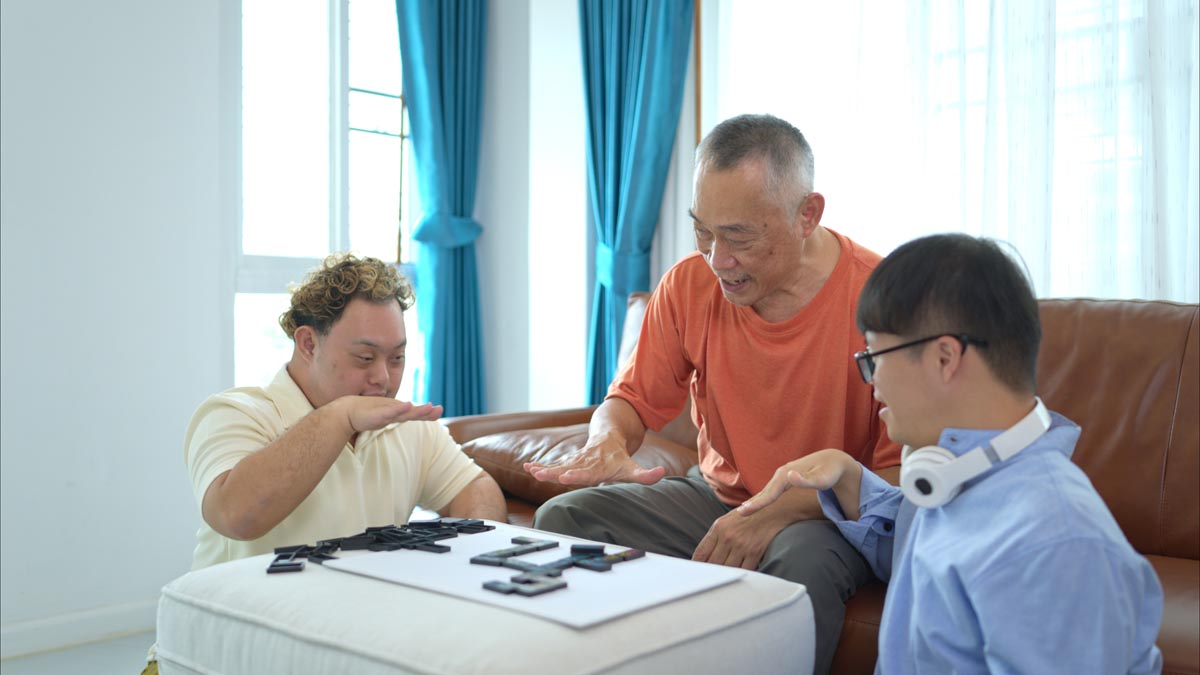
Money, rights, and the unglamorous components of independence
A great deal of independence hinges on understanding dull but essential tasks. Budgeting. Paying rental fee promptly. Reading a pay stub. Understanding how Supplemental Security Revenue engages with wages. DSPs help people arrange through these knots. They instruct abilities, yes, yet they additionally expect systemic catches. I've seen a little overtime bump threaten benefits that cover drug. An excellent DSP flags adjustments early and pulls in the service planner and benefits planner prior to a crisis hits.
Rights education becomes part of this image. People sustained by services have personal privacy civil liberties, sex-related legal rights, and voting legal rights, to name a few. DSPs are commonly the ones that make those civil liberties real. That can look like knocking and waiting for approval before getting in a bedroom, supporting somebody to hold hands with their companion at a barbecue without shaming, or assisting with voter registration while keeping political point of views out of it. These are not tiny gestures. They affirm adulthood.
Training assists, but the way of thinking matters more
Most companies require official training: CPR, first aid, medicine management, crisis treatment, person-centered preparation, documentation requirements. The classes are necessary. They additionally don't cover every curveball. The attitude that separates exceptional DSPs from average ones is inquisitiveness guided by respect.
Curiosity asks why a person likes a certain seat on the bus and notifications that it's closer to the exit if nausea hits. Respect keeps staff from overriding that choice just to make head counts less complicated. Interest asks whether a pattern of Sunday evening anxiety associates with a Monday job timetable. Regard brings that pattern to the team and the individual, rather than prescribing a solution from the doorway.
When something fails, and it will, mindset establishes the following step. Blame narrows alternatives. Interest opens them. I've watched a group transform a reoccuring dilemma by beginning with, "What is this actions assisting the individual prevent or obtain?" Within a month, phones call to the on-call supervisor stopped by half since the assistance matched the function.
The spin that hurts everyone
One fact that rarely makes it into public discussion: turnover. DSPs leave at high rates, typically due to the fact that incomes drag the duty tons. When a familiar DSP leaves, the cost isn't just in recruiting and training. Individuals shed a secure connection, regimens wobble, and data connection endures. I have actually seen 3 turn overs in a year get rid of months of progress on a food preparation objective because each new person re-trained the task differently.
Retention techniques are not magic. They're useful. Pay a reasonable wage, make staffing proportions reasonable, build routines that permit breaks and guidance, and invest in training that really feels appropriate. When DSPs are treated as experts, they imitate experts and remain longer. Continuity is not a perk. It's foundational to quality care.
What quality looks like on a common Tuesday
A common day levels. The morning change shows up on schedule and checks the overnight notes. The initial citizen is wide awake however slow to relocate, so the DSP plays his preferred playlist at a reduced quantity and pushes the regular ahead with clear, step-wise triggers. The second local intends to cook eggs and salute. The DSP scaffolds the task, tracks the stove timer, and talks delicately to maintain anxiety in check. Medicines are provided and recorded. A transportation hiccup leaves the 3rd resident anxious about missing out on work. The DSP calls dispatch, offers a back-up route using the bus, and evaluates dealing methods from the habits plan.
At midday, there's a medical visit. The DSP brings a succinct summary of the past week, consisting of sleep information and seizure matters, and helps the individual ask inquiries straight to the medical professional. Back home, lunch functions as a skills lesson: making a sandwich, washing dishes, using the brand-new color-coded blade safely. In the mid-day, the DSP walks along with a goal to enhance independent neighborhood time, trailing at a range while the individual goes into a store, selects items, pays, and departures. They debrief together on what really felt easy and what didn't.
Evening brings a flatmate conflict concerning TV quantity. The DSP mediates, helps craft a simple arrangement, and files the result to educate the next home meeting. Night medications are carried out with dignity, not rushed. A last check of doors, sensing units, and routines sets the phase for the over night staff. None of this is remarkable. It's the peaceful style of an excellent day.
Two consistent false impressions worth retiring
- "If you have actually met a single person with a handicap, you've fulfilled them all." Support isn't common. Two people with the exact same diagnosis can need completely various techniques. One may love aesthetic schedules and large-print suggestions. One more may choose verbal hints and a solitary day-to-day check-in. Presuming a theme wastes time and tears trust. "Self-reliance suggests doing whatever alone." Real self-reliance frequently consists of assistances. Making use of a medication application, establishing automatic costs pay, or asking a neighbor to message when the bus arrives are all kinds of freedom. The procedure is not just how couple of supports exist, yet exactly how well sustains fit the person's goals and values.
What DSPs wish the general public understood
If you ask a dozen DSPs what they want individuals recognized, the responses converge. They desire respect for individuals they support and acknowledgment that this is specialized work. They want households to see them as companions. They want enough staffing to take a breath and do the job right. They intend to discover brand-new skills, grow in their duties, and make a wage that shows the obligation they carry.
They also intend to keep the very best component of the work undamaged: the connections. The satisfaction when a person nails a recipe after weeks of practice. The grin when a brand-new ID card is disability support services overview released after dominating a stressful DMV browse through. The peaceful relief after a difficult day that really did not spiral due to the fact that a plan worked. Moments like these don't fit into a neat metrics sheet, yet they maintain entire teams.
How to support the supporters
You do not need to operate in Disability Support Services to make a distinction. Be the next-door neighbor who invites sustained living residents to the block and discovers names without hassle. If you're an employer, take into consideration inclusive employing with thoughtful onboarding, not tokenism. If you're a policymaker or citizen, take note of financing levels that link straight to earnings and training. If you're household, share expertise early and typically, and create it down for the following shift. If you're a medical professional, checked out the DSP's notes and ask for their observations. They see patterns you will not capture in a short visit.
And if you're a DSP reading this, keep your interest sharp. Request training. Utilize your documents to advocate, not simply to comply. Safeguard your very own boundaries so you can last in this work. Remember that the moments you think about regular usually look like liberty to the person standing alongside you.
The core reality behind the myths
Direct Support Professionals help individuals build lives, not programs. They're translators between systems and day-to-day reality, instructors of little abilities that add up to huge adjustments, first -responders when something tilts, and constant friends when it doesn't. The myth of babysitting misses the dignity, complexity, and craft of the job. The misconception of standard care overlooks the clinical vigilance and moral judgment that play out in kitchen areas, clinics, buses, and break rooms.
When we obtain the role right, people with impairments do not simply endure in the community. They belong to it. They establish their alarm systems, go to work they have actually chosen, pay their costs, commemorate birthday celebrations, change their minds, argue concerning what to view, fall in love, grieve losses, and determine what's following. DSPs exist, not to guide the ship, yet to see to it the winds and currents do not capsize it. That's the actual work. And it deserves to be seen.